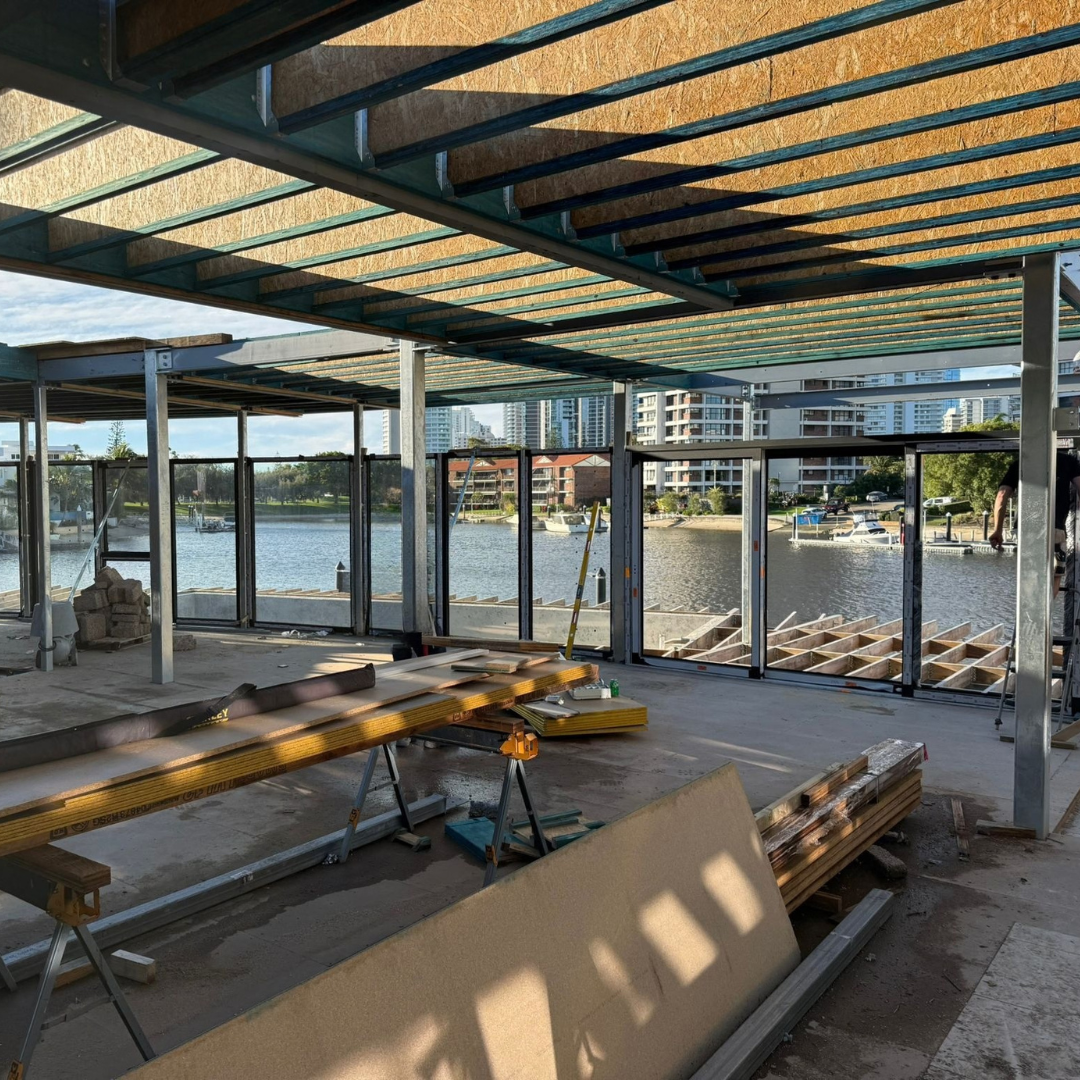
The Dream Is the Seaside. What Does It Cost Your Home?
Salt air and humidity are hard on coastal homes. What they do to a house on the Gold Coast, and how a high-performance home is built to handle it.

Salt air and humidity are hard on coastal homes. What they do to a house on the Gold Coast, and how a high-performance home is built to handle it.

Australian houses are expected to cope with a wide range of temperatures from humid Brisbane summers to cold Melbourne winters. Yet despite how expensive Australian houses are, they can be incredibly difficult to keep cool during the summer or heat during the winter without running up massive electrical bills. Passive
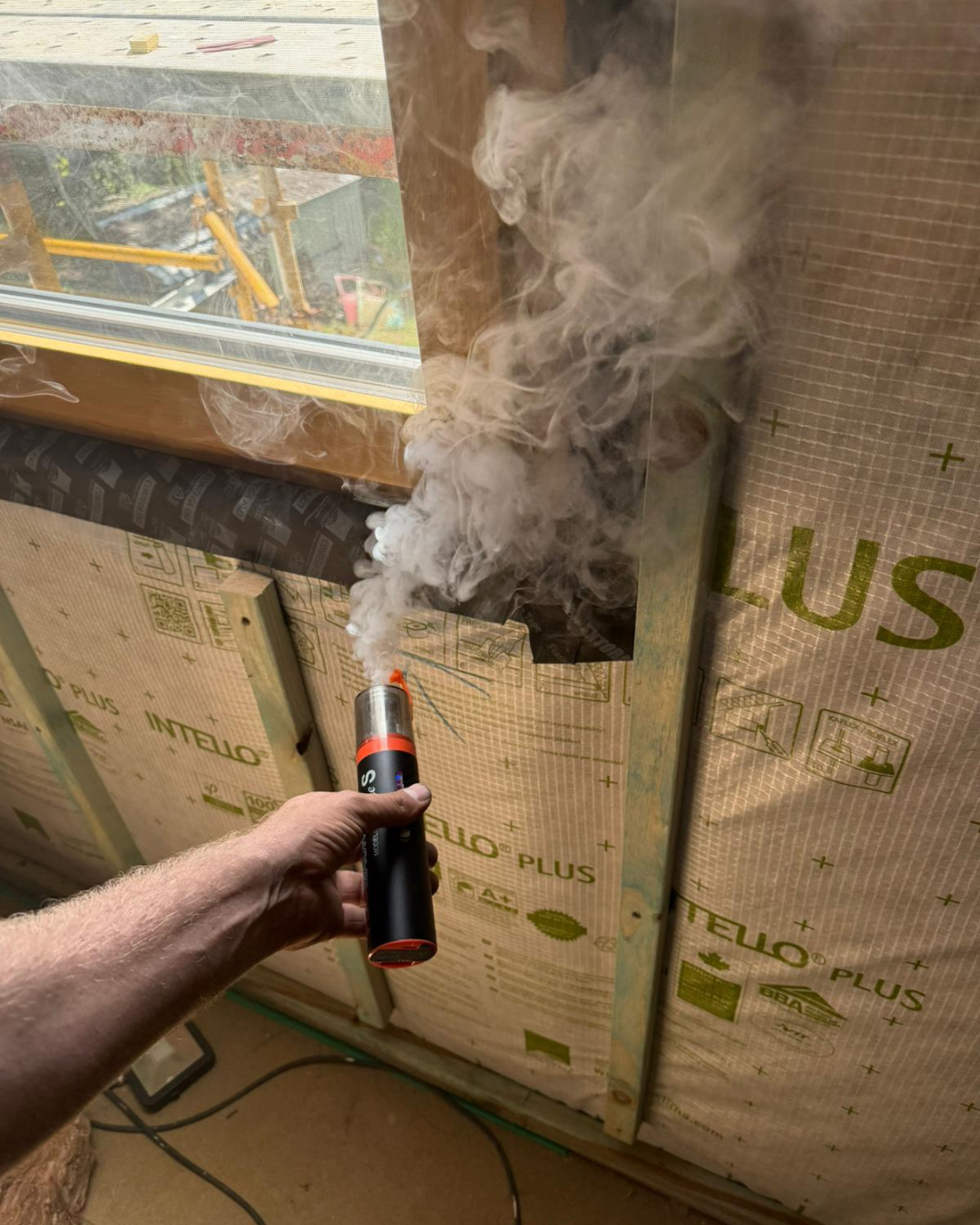
A comfortable, energy-efficient home should give you control over how air enters and leaves the building. In many Australian homes, that is not what happens. Outside air finds its way through gaps around windows, junctions, service penetrations and other parts of the building envelope. These leaks can create draughts, make
When people start planning a new home, the conversation often begins with what they can see. The architecture. The kitchen. The finishes. The view. The number of bedrooms. The size of the living spaces. All of these things matter. But some of the decisions that will have the greatest impact on

The construction industry has a significant impact on the natural and built environment. In 2013 construction sector makes up 18.1% of Australia’s carbon footprint. Largest contributors to construction carbon footprint are electricity, gas and water and materials. Residential building and non-residential construction consume approximately 7.6% of total primary energy and
Climate change and its impacts are becoming more and more noticeable. It is clear that these changes are not just a natural occurrence but as a result of humans. The International Panel on Climate Change (IPCC) published its 6th assessment report blatantly stating the need for drastic and immediate action